




Source: CC by Unsplash / Pexels
How the Midwest Played a Role in Martin Luther King Jr.’s Dream
Wisconsin, Minnesota, and Michigan’s Upper Peninsula have an essential, and sometimes overlooked, chapter in Dr. King’s story

Jan 16, 2026, 12:49 AM CST


Share
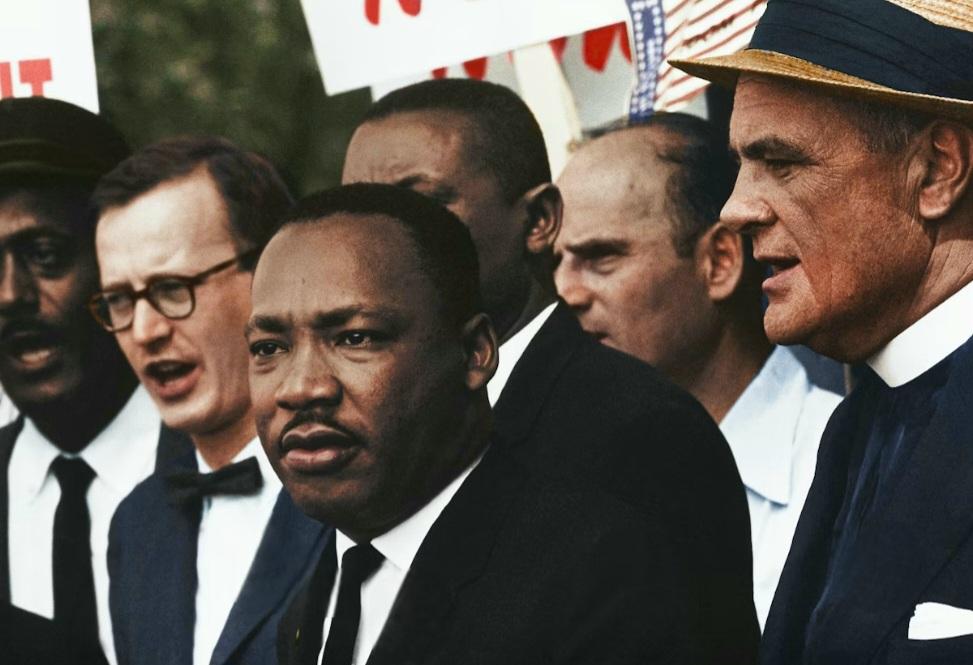
Do you picture the Deep South when you think of Martin Luther King Jr.? Places like Selma, Birmingham, and Atlanta? It’s essential to Dr. King’s story. But the Midwest played a role, too.
History of the Movement
It was the mid-1960s when Dr. King brought the civil rights movement north. Research shows he confronted a quieter but still deeply entrenched form of racism – segregation in housing, schools, and economic opportunity.
He moved his family into a small apartment on Chicago’s West Side in 1966. The conditions shocked him. He found crumbling buildings, overcrowded neighborhoods, and limited access to jobs. That’s when he learned these issues weren’t accidents. It was the result of policies and practices that kept Black families locked out of opportunity.
King called it “slum housing,” yet he was really talking about a system. And though it was one that looked different from the Jim Crow South, it produced the same injustice.
But the Midwest wasn’t just a backdrop for some of Dr. King’s work.
It became a proving ground with marches in Chicago, Milwaukee, Detroit, and smaller cities across the region — forcing Americans to confront a difficult truth. Racism wasn’t just a Southern problem. It was also living in northern neighborhoods, school districts, and via zoning maps.
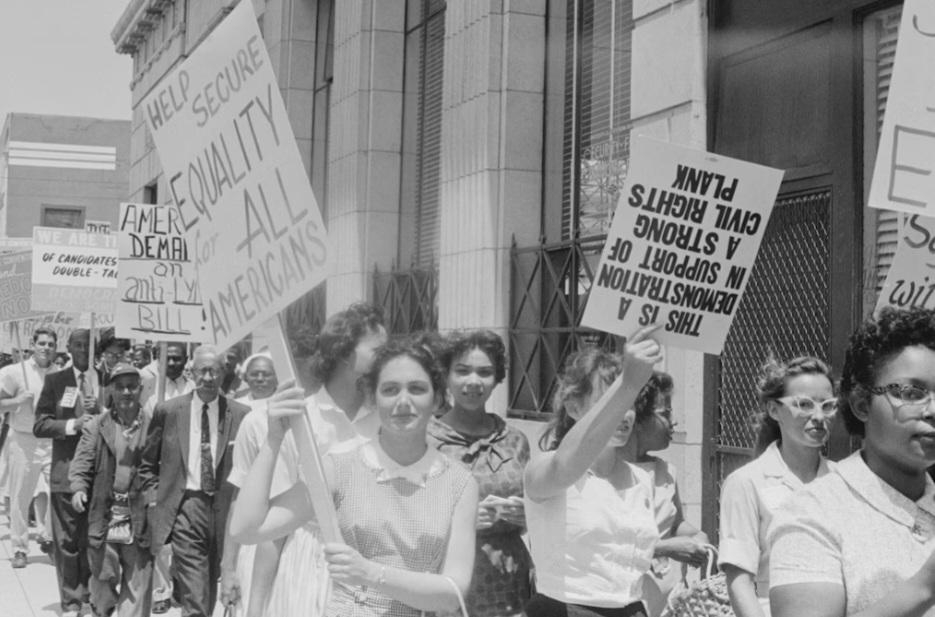
Midwest States and Cities get Involved
Wisconsin felt the echoes too. From open housing marches in Milwaukee led by Father James Groppi, to labor movements that linked civil rights with economic justice.
Dr. King also visited Minnesota multiple times during the civil rights era. His speeches in various places across the state were tied to real, on-the-ground struggles around housing, employment discrimination, and economic justice.
And even in places Dr. King didn’t get the opportunity to visit – like Michigan’s Upper Peninsula – his call to justice echoed through churches, union halls, and classrooms.
The Midwest helped in shaping Dr. King’s evolving message. By the end of his life, he was speaking as much about wages, housing, and dignity as he was about voting rights.
And it still resonates here today.
The Work Continues
The local debates over affordable housing, public education, healthcare access, and fair wages mirror the struggles Dr. King highlighted close to 60 years ago.
His call was not only to dream, but to act.
And to examine how policies affect real people, neighborhood by neighborhood, community by community.
Dr. King once said, “Life’s most persistent and urgent question is, ‘What are you doing for others?’”
Learn more about MLK Day’s “Mission Possible,” 2026 here.
Read how MLK Day became a federal holiday here.

Teri Barr is Civic Media’s Content Creator and a legend in Wisconsin broadcast journalism. Email her at [email protected].
Want More Local News?

Civic Media
Civic Media Inc.
The Civic Media App
Put us in your pocket.